


In the world of kitchen and bathroom renovations, homeowners are often confronted with the choice between cabinet refinishing and refacing. Both options offer transformative aesthetic upgrades, but understanding their differences is crucial to making an informed decision. In this comprehensive guide, we'll dive deep into what cabinet refinishing and refacing entail, their benefits, costs, and ultimately, help you decide which option is best suited for your needs.
Understanding Cabinet Refinishing
Cabinet refinishing is an art that revitalizes the look of your existing cabinets without replacing them. This process involves stripping the current finish, applying new paint or stain, and sealing the surface. It's an excellent choice for those who are satisfied with their cabinet layout and the condition of the cabinet structures.
Benefits of Cabinet Refinishing
Cabinet refinishing can breathe new life into your kitchen or bathroom with relatively low investment. Here's why many choose refinishing:
- Cost-Effective: One of the most affordable options for updating cabinets.
- Versatile Finishes: Allows you to choose from paints, stains, and even faux finishes for a customized look.
- Quick Turnaround: Typically completed in a few days, with less disruption to your daily life.
The Refinishing Process
The cabinet refinishing process generally follows these steps:
- Preparation: Remove doors and hardware and clean all surfaces.
- Stripping: Remove the old finish using chemical strippers or sanding.
- Repairs: Fix any dents, scratches, or blemishes on the surface.
- Application: Apply the chosen paint or stain and finish with a protective coat.
- Reinstallation: Reattach doors and hardware.
Exploring Cabinet Refacing
Cabinet refacing is an ideal option for those who wish to give their cabinets a more dramatic transformation. This involves replacing doors, drawer fronts, and veneers for a completely new look, while the existing cabinet boxes remain intact.
Benefits of Cabinet Refacing
Cabinet refacing offers the opportunity to reinvent your kitchen or bathroom with a fresh style. Here's what you gain:
- Aesthetic Upgrade: Completely alter the appearance with new materials and styles.
- Sustainable Choice: Less waste than a full replacement since the cabinet boxes are retained.
- Increased Home Value: The fresh, modern look can enhance your home's market appeal.
The Refacing Process
Refacing involves more extensive changes compared to refinishing. Here’s a closer look at what it involves:
- Measurement: Accurate measurements ensure all new components fit perfectly.
- Selection: Choose new doors, drawer fronts, veneers, and associated hardware.
- Preparation: Remove existing doors and prepare the cabinet frames.
- Installation: Attach new veneer to the cabinet framework.
- Reinstallation: Install the new doors, drawer fronts, and hardware.
Cost Comparison: Refinishing vs Refacing
The expense associated with cabinet refinishing and refacing can significantly impact your decision. Let’s break down the cost elements:
Cabinet Refinishing:
- Generally ranges between $1,500 to $4,000 depending on the size of the kitchen and complexity of the finish.
- DIY projects can reduce costs but may not achieve professional-level results.
Cabinet Refacing:
- Typically costs between $4,000 to $10,000, heavily influenced by material choices and kitchen size.
- Offers a considerable update for less than completely new cabinets.
Maintenance and Longevity
Whether you choose refinishing or refacing, both will require some level of maintenance to maximize their lifespan. Here are some tips to keep your cabinets looking their best:
- Cleaning: Regularly clean with non-abrasive, gentle cleaners to avoid damaging the finish.
- Avoid Moisture: Minimize the exposure to water and steam to prolong the integrity of wood and finishes.
- Hardware Checks: Regularly tighten and maintain hinges and handles to ensure they function well.
Cabinet Refinishing vs. Refacing: Frequently Asked Questions
How does cabinet refinishing differ from cabinet refacing?
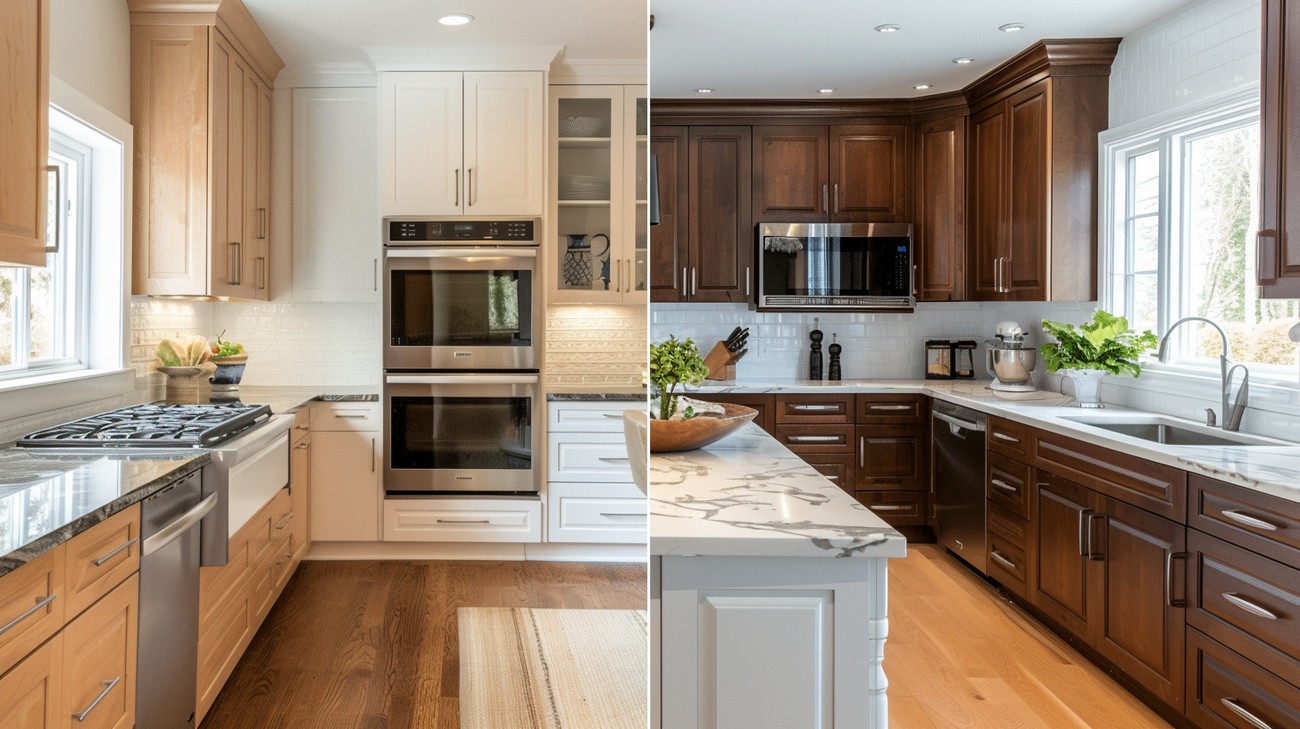
Cabinet refinishing and refacing are both popular kitchen renovation techniques, but they differ in approach and scope. Cabinet refinishing involves sanding down the existing surfaces of your cabinet doors and frames and then applying a new paint or stain. This method is ideal for homeowners who are satisfied with their current cabinet structure and layout and simply want to refresh the surfaces. On the other hand, cabinet refacing involves replacing the existing cabinet doors and drawer fronts and veneering the outer cabinet boxes. This approach is perfect for those looking to change the style or color of their kitchen without a complete overhaul. While refinishing focuses on renewing existing surfaces, refacing updates the cabinet appearance by installing brand new elements.
What are the cost differences between cabinet refinishing and refacing?
The cost of cabinet refinishing versus refacing can vary significantly based on several factors, including the size of your kitchen, the quality of materials chosen, and labor costs in your region. Generally, cabinet refinishing is usually less expensive because it involves fewer materials and labor hours. Refinishing primarily requires tools and finishes like paints or stains. On the contrary, refacing is relatively more expensive due to the cost of new doors, drawer fronts, and additional supplies needed to veneer the cabinet boxes. However, both options are generally more affordable than a full cabinet replacement, which makes them attractive to budget-conscious homeowners seeking refreshed kitchen aesthetics.
What materials are typically used in cabinet refinishing versus cabinet refacing?
Cabinet refinishing primarily involves materials such as sandpaper, fillers, primer, and high-quality paints or wood stains, depending on whether you opt for a painted or stained finish. It’s a process that embellishes what’s already there. Cabinet refacing typically requires materials including engineered wood for new doors and drawer fronts, veneers or laminates to cover the existing cabinet boxes, adhesives, and extensive hardware such as hinges and handles. The choice of materials for refacing can result in substantial changes to the kitchen's visual appeal, including opting for modern finishes like high-gloss acrylic or more traditional wood veneer appearances.
How long does cabinet refinishing take compared to cabinet refacing?
The time required to complete cabinet refinishing versus refacing can differ based on the project's complexity and size. Cabinet refinishing is often quicker, potentially taking a few days to a week, as it usually involves a cleaning process, minor repairs, sanding, applying primer, and coating with new paint or stain. In contrast, cabinet refacing generally takes longer, often extending over one to two weeks. This duration accounts for the removal of current doors and drawer fronts, precise measurements, ordering custom pieces, possible additional repairs, installation of new components, and quality checks. The more extensive the requirements for refacing, the longer it may take, particularly if custom work is involved.
Can I DIY cabinet refinishing or refacing, or should I hire a professional?
Both cabinet refinishing and refacing can be undertaken as DIY projects, but they require different skill levels and tools. Cabinet refinishing is often seen as more accessible for DIY enthusiasts with some experience, as it essentially involves sanding, painting, or staining which can be managed with standard home improvement tools. However, achieving a professional finish can be challenging for beginners. Cabinet refacing, on the other hand, generally requires more carpentry skills and specific tools for accurate measurements, cutting, and installation of new doors and veneer. Due to the complexity and precision needed for refacing, many homeowners choose to hire professionals to ensure a high-quality and durable finish.
Does refacing or refinishing affect the durability of cabinets?
The durability of your cabinets after refinishing or refacing largely depends on the quality of the materials used and the skill of the application. Refinishing cabinets, when done properly using high-quality, durable paints or stains, can breathe new life into old cabinets, potentially extending their lifespan by protecting the wood. However, the durability gain is mostly cosmetic rather than structural. Cabinet refacing can significantly improve the durability of your cabinets, especially when using robust materials for new doors and drawer fronts. This process can provide a structural benefit, as it often includes enhancements like better closes or new hardware that can support daily use more effectively. The impact on durability ultimately hinges on both the materials selected and the application quality.
What factors should I consider when deciding between cabinet refinishing and refacing?
Choosing between cabinet refinishing and refacing should be based on several key factors: your budget, the current condition of your cabinets, your style preference, and your kitchen’s layout. If your cabinet frames are in good condition and you simply want an updated aesthetic, refinishing might be the most cost-effective and quicker solution. If you wish to upgrade your kitchen's style noticeably or if your cabinet doors are damaged or outdated, refacing would likely suit your needs better. Additionally, consider the impact of each option on your kitchen’s use during the project, as refinishing can typically be completed more quickly with fewer disruptions. Understanding these considerations will help you make the most informed decision based on your specific goals and constraints.
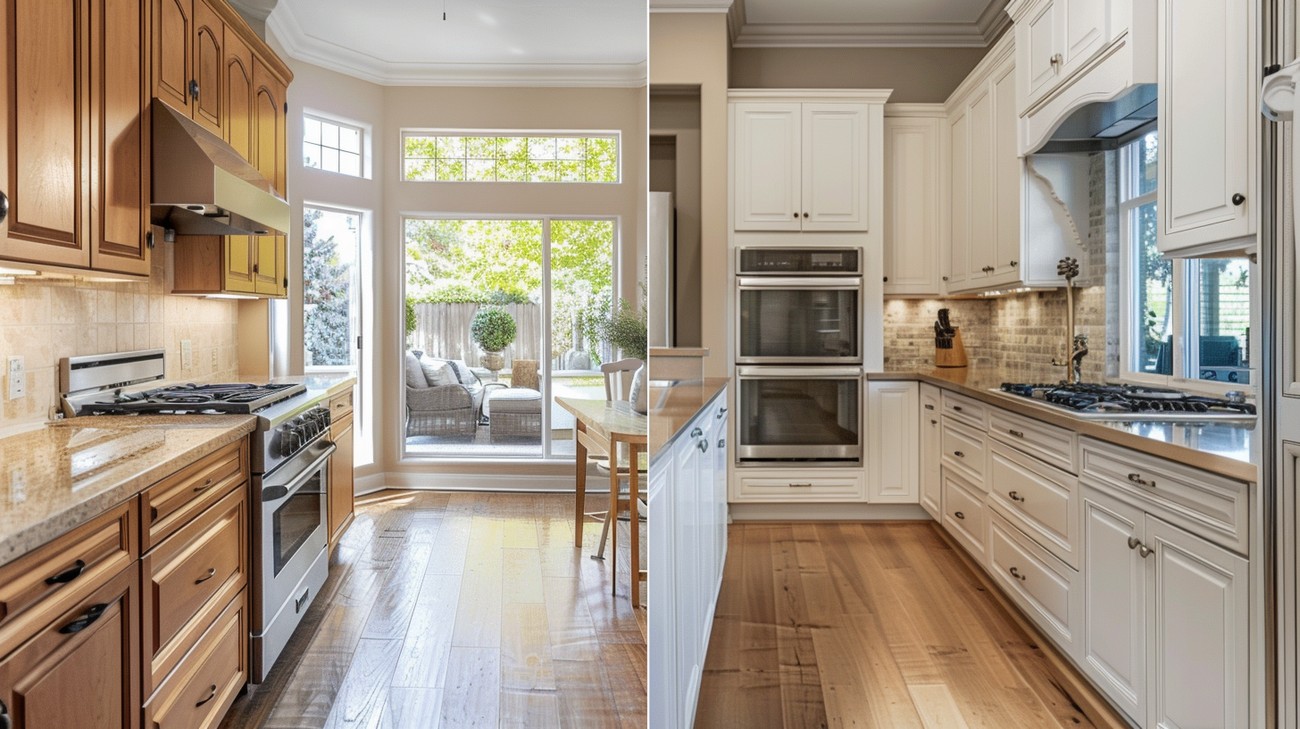
Cabinet Refinishing vs Refacing: Weighing Your Options
Pros of Cabinet Refinishing
Cost-Effective Solution
Refinishing your cabinets often comes in as the more wallet-friendly option, especially if you love the basic structure of your existing cabinets. You can revamp your space without breaking the bank. It simply involves sanding down the existing coating and applying new paint or stain, which is less labor-intensive and uses fewer materials than refacing.
Quick and Less Intrusive
If you're looking for a project that won’t disrupt your daily life for too long, refinishing might be the way to go. It usually takes less time to complete than refacing, which means you get your kitchen or bathroom back faster. Plus, because you’re just working with the surface, there’s less mess and commotion in your home.
Retains Original Cabinetry
Refinishing allows you to preserve the original craftsmanship and quality of your existing cabinets. If your cabinets are made from solid wood and you appreciate their original charm, refinishing brings out their grain and beauty while staying true to their construction.
Environmentally Friendly
By choosing cabinet refinishing, you're not only saving money but also reducing waste. Since you are sticking with your existing materials instead of ripping them out and replacing them, it’s a more sustainable solution for those looking to lower their carbon footprint.
Cons of Cabinet Refinishing
Limited Structural Changes
While refinishing is excellent for surface-level updates, it doesn’t allow any structural changes. If you're looking to alter the layout of your cabinets or require additional storage options, refinishing won't suffice. You can repaint them, but you can’t change the design or enhance functionality.
Surface Condition Matters
Refinishing doesn’t fix underlying issues. If your cabinets have deep structural damage or if the wood is warped or significantly deteriorated, refinishing might not cover those imperfections. In such cases, refacing or even replacing might be necessary.
Style Limitations
Although there are endless color choices with refinishing, you won't be able to substantially change the style. If you’re aiming for a complete style overhaul with different materials or intricate designs, refinishing may not fulfill your vision.
Pros of Cabinet Refacing
Significant Style Transformation
Refacing offers you the opportunity to significantly transform the look of your kitchen or bathroom. By replacing cabinet doors, drawer fronts, and hardware, you can achieve a completely new style without changing the existing cabinet frames.
Retain Existing Layout
Keeping the original cabinet framework can be beneficial if your current setup already meets your needs. Refacing keeps the functional layout intact while giving everything a facelift. It's like getting the best of both worlds—functionality with a modern twist.
Durable Finish Options
When you reface, you typically choose from a range of laminate or wood veneer finishes, which are highly durable. These finishes can stand up to daily wear and tear much better than a simple paint job that you’d get with refinishing.
Cons of Cabinet Refacing
More Expensive Than Refinishing
Refacing generally costs more than refinishing. Since it involves new materials and often professional installation, the added expense might not be ideal if you're working with a tight budget.
Time-Consuming Process
Although quicker than a full replacement, refacing can still be a time-consuming endeavor. It involves measuring, ordering custom materials, and installation, which can stretch out over several weeks depending on the professional and the complexity of the project.
Limited to Current Structure
Much like refinishing, refacing limits you to your kitchen’s or bathroom’s current layout. If you're seeking more transformative structural changes such as adding a pantry cabinet or altering the design drastically, refacing might not be the right choice.
Not Suitable for Poor Condition
If your cabinet boxes are in bad shape, refacing won’t fix them. It masks them with new fronts but doesn’t address any issues with the actual framework. If structural integrity is a concern, total replacement might be more prudent.
Final Thoughts
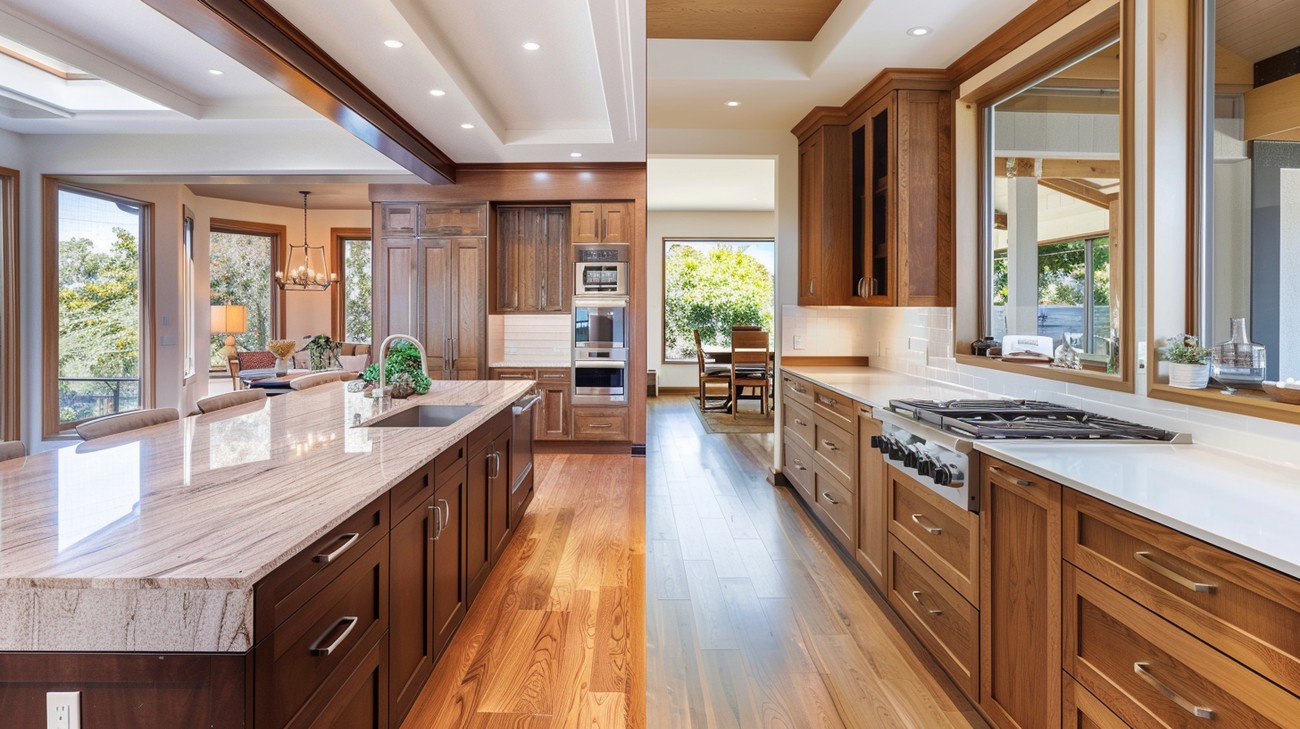
When deciding between cabinet refinishing vs refacing, it really boils down to your specific needs, budget, and the look you want to achieve. Refinishing can breathe new life into your existing cabinets at a fraction of the cost of complete replacements, while refacing offers a fresh, modern aesthetic by updating the doors and fronts. Both options have their unique benefits, so considering how each fits your space and style in Sacramento, CA, is key to making the best choice for your home.
If you're feeling overwhelmed with the options, we’re here to help! At Solid Construction & Design, we can guide you through the process, ensuring you find the perfect solution tailored to your needs. Reach out to us to schedule a consultation or request a free estimate—let's transform your kitchen into the space of your dreams together!